
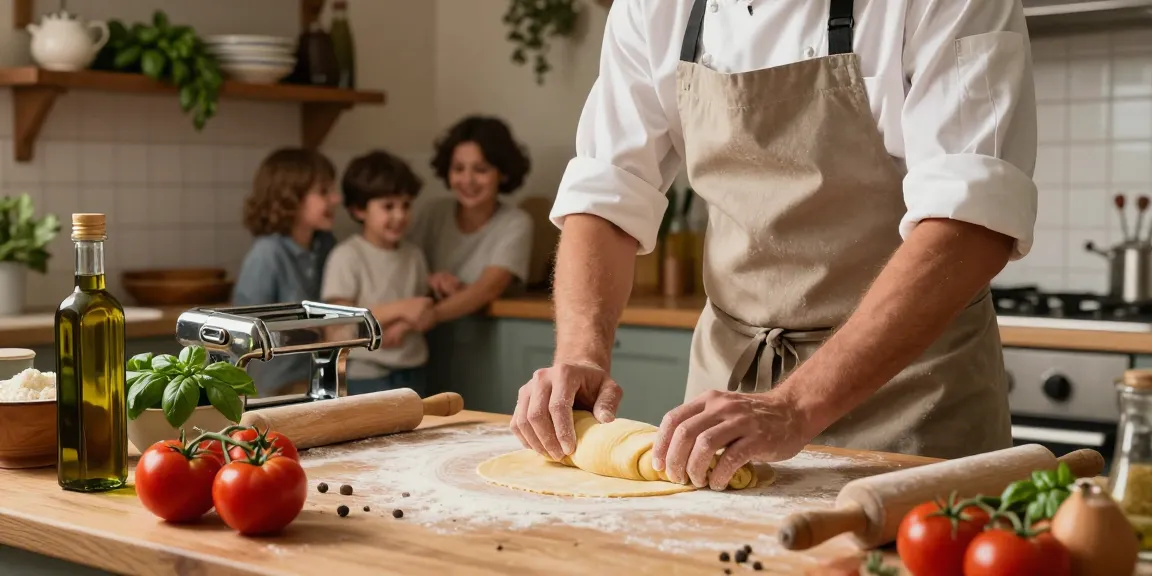
The Renaissance of Italian Pasta: A Culinary Journey
Italian pasta is more than just a staple in many households; it represents a rich tapestry of cultural heritage, tradition, and culinary artistry. From the sun-drenched fields of durum wheat to the family kitchens of Italy, pasta has become a symbol of Italian cuisine, celebrated around the globe. As we venture deeper into this culinary journey, we will explore the origins, traditions, and innovations surrounding Italian Pasta, understanding how this beloved dish has evolved over the centuries.
Understanding Italian Pasta Traditions
Pasta’s origins can be traced back to ancient civilizations, with early precursors appearing in different forms across the Mediterranean. The distinction of Italian pasta lies in its diversity—made from various grains, shapes, and flavors—each with its own story to tell. Traditional pasta is crafted using a simple mixture of flour and water, shaped into countless varieties from spaghetti to fettuccine, and flavored with unique regional ingredients.
In Italy, pasta is often associated with family and community. Preparing pasta from scratch is a cherished ritual, passed down through generations. Homemade pasta embodies the love and care of the cook, often enjoyed during festive gatherings or Sunday dinners, reflecting the Italian ethos of savoring life’s simple pleasures.
The Role of Authentic Ingredients in Italian Recipes
The hallmark of authentic Italian pasta lies in its ingredients. Italian chefs insist on using high-quality, locally sourced components to create that incomparable taste. Durum wheat, known for its high protein content and yellow hue, is the preferred choice for pasta making; it creates a firm texture that holds sauces beautifully. Additionally, the use of fresh eggs, particularly in egg-based pasta like tagliatelle, adds richness and depth to each bite.
Moreover, the sauces that accompany pasta are just as important. They are often made with seasonal ingredients, from ripe tomatoes in summer to earthy mushrooms in fall, embracing the bountiful flavors of the Italian countryside. This commitment to authenticity ensures that every dish remains true to its roots while allowing for creative expression in the kitchen.
Exploring Regional Variations of Pasta Dishes
Italy’s rich diversity is mirrored in its regional pasta dishes, with each area boasting unique flavors and preparations. For instance, in the north, you will find thick, creamy sauces paired with egg pasta, as seen in dishes like Pesto Genovese from Liguria. In the central regions, such as Tuscany, hearty ragù sauces made from slow-cooked meats take center stage, often served with pici, a hand-rolled pasta.
Moving south, the cuisine takes on the vibrant essence of the Mediterranean, featuring fresh seafood and lighter sauces. Sicilian pasta dishes often incorporate bold flavors and textures, such as sweet raisins and pine nuts in pasta alla Norma. This regional variety highlights the adaptability of pasta, allowing it to shine in countless culinary contexts.
Crafting Your Own Italian Pasta at Home
Making authentic Italian pasta at home can be a rewarding experience. While it might seem daunting, the process becomes much simpler with the right tools and techniques. As the popularity of Italian cuisine grows, home cooks are returning to their roots, embracing the art of pasta making.
Essential Tools for Homemade Pasta
Before diving into pasta making, it’s essential to gather some key tools that will help ensure a successful outcome. Here are a few must-haves:
- Pasta Machine: A hand-cranked or electric pasta machine helps roll out dough to the desired thickness.
- Rolling Pin: For those who prefer a traditional approach, a good quality rolling pin can be used to flatten the dough.
- Sharp Knife or Pasta Cutter: For cutting pasta into shapes, a sharp knife or specialty cutter is invaluable.
- Flour and Semolina: High-quality flour (such as ’00’ or all-purpose) and semolina are essential for the dough.
Step-by-Step Guide to Making Fresh Pasta
Here’s a simple process to follow when making your pasta at home:
- Prepare the Dough: Combine flour and eggs in a bowl, mixing until a rough dough forms. Knead for about 10 minutes until smooth.
- Rest the Dough: Wrap the dough in plastic wrap and let it rest for at least 30 minutes, allowing the gluten to relax.
- Roll the Dough: Divide the dough into small portions and roll it out using a pasta machine or rolling pin until it reaches your desired thickness.
- Cut and Shape: Use a knife or cutter to create your desired pasta shape, whether it’s fettuccine, lasagna, or ravioli.
- Cook the Pasta: Boil in salted water for a few minutes until al dente. Fresh pasta cooks much quicker than dried.
Common Mistakes to Avoid When Making Pasta
Even seasoned cooks can make errors while crafting pasta at home. Here are a few common pitfalls:
- Overworking the Dough: Kneading the dough too much can lead to tough pasta; aim for a smooth but slightly elastic consistency.
- Insufficient Resting Time: Skipping the resting period can result in pasta that doesn’t hold its shape well.
- Not Using Enough Flour: To prevent sticking, ensure your work surface and rolling pin are lightly floured as you roll out the dough.
Pairing Italian Pasta with Complementary Flavors
Mastering the art of pasta means understanding how to pair it with the right flavors. Unique sauce combinations and seasonal ingredients can elevate your dish to an entirely new level.
The Perfect Sauces: Best Pairings for Your Pasta
Different types of pasta benefit from specific sauces. Here are a few classic pairings:
- Spaghetti: Best served with lighter sauces such as marinara or olive oil with garlic.
- Fettuccine: A rich Alfredo sauce complements its wide, flat shape.
- Penne: Ideal for capturing chunkier sauces like arrabbiata or pesto.
Incorporating Seasonal Ingredients for Flavor
Incorporating seasonal ingredients not only enhances flavor but also respects traditional Italian cooking principles. For example:
- Spring brings fresh asparagus and peas, perfect for a light primavera dish.
- Summer is associated with ripe tomatoes, basil, and zucchini.
- Fall allows for earthy mushrooms, pumpkin, and hearty greens like kale.
Wine Pairing Recommendations for a Complete Meal
A well-paired wine can enhance the flavors of your pasta dish. Consider the following suggestions:
- Rich Tomato Sauce: A medium-bodied red like Chianti works well.
- Creamy Sauces: Opt for a white wine such as Pinot Grigio.
- Seafood Pasta: A crisp, dry white like Sauvignon Blanc is perfect.
Health Benefits of Italian Pasta: A Balanced Approach
Pasta can be part of a healthy diet when consumed mindfully. It provides essential carbohydrates, which are vital for energy and overall well-being.
Understanding Nutritional Values of Different Pasta Types
There is a wide variety of pasta types available, each with different nutritional values:
- Whole Grain Pasta: Contains more fiber and nutrients than refined pasta, supporting digestive health.
- Gluten-Free Options: Made from alternative flours (such as rice or chickpeas), ideal for those with gluten sensitivities.
How to Choose Whole Grain and Gluten-Free Options
When shopping for pasta, look for the following labels:
- Whole Grain: Ensure it lists whole wheat as the first ingredient.
- Gluten-Free: Check for certifications to ensure safety and quality.
Portion Control and Serving Suggestions for Healthier Eating
Monitoring portion sizes can help maintain a balanced diet. Consider serving pasta with ample vegetables and lean proteins to create a wholesome meal.
Future Trends in Italian Pasta for 2026 and Beyond
As culinary practices evolve, so do the trends surrounding Italian pasta. Innovations are emerging at a remarkable pace, driven by both consumer demand and a globalized food culture.
Emerging Innovations in Pasta Production
Advancements in technology have led to unique pasta varieties, such as protein-fortified and vegetable-infused pastas, catering to health-conscious consumers.
Growing Popularity of Sustainable Ingredients
More chefs are utilizing sustainable practices, sourcing ingredients responsibly, and creating dishes that celebrate ecological awareness. This includes local sourcing and organic farming practices that benefit the community and the environment.
Predictions for the Future of Italian Cuisine
Looking ahead, we can expect a blend of traditional methods with modern twists, such as plant-based pasta options and fusion dishes that incorporate global flavors.
What is the Difference Between Fresh and Dried Pasta?
Fresh pasta is made with eggs and is typically softer, while dried pasta is made from durum wheat and has a longer shelf life. Both have their uses, depending on the dish and desired texture.
How Can I Make Pasta from Scratch?
To make pasta from scratch, follow the previously mentioned steps to prepare the dough, roll it out, cut it, and cook it. Practice makes perfect!
What Are the Best Sauces for Italian Pasta?
This depends on the type of pasta. Lighter shapes pair well with more delicate sauces, while denser pasta can hold richer, heavier sauces. Experimentation is key.
Is Homemade Pasta Healthier Than Store-Bought?
Homemade pasta can be healthier as you control the ingredients and exclude preservatives. Additionally, you can opt for whole grains or alternative flours.
What Trends Should We Expect in Italian Cooking?
Expect an increase in plant-based ingredients, innovative cooking techniques, and a greater emphasis on local sourcing and sustainability.
How Do I Store Leftover Pasta Properly?
To store leftover pasta, place it in an airtight container in the refrigerator. It’s best consumed within 3-5 days. For longer storage, consider freezing it.

