
Introduction to Sports Broadcasting
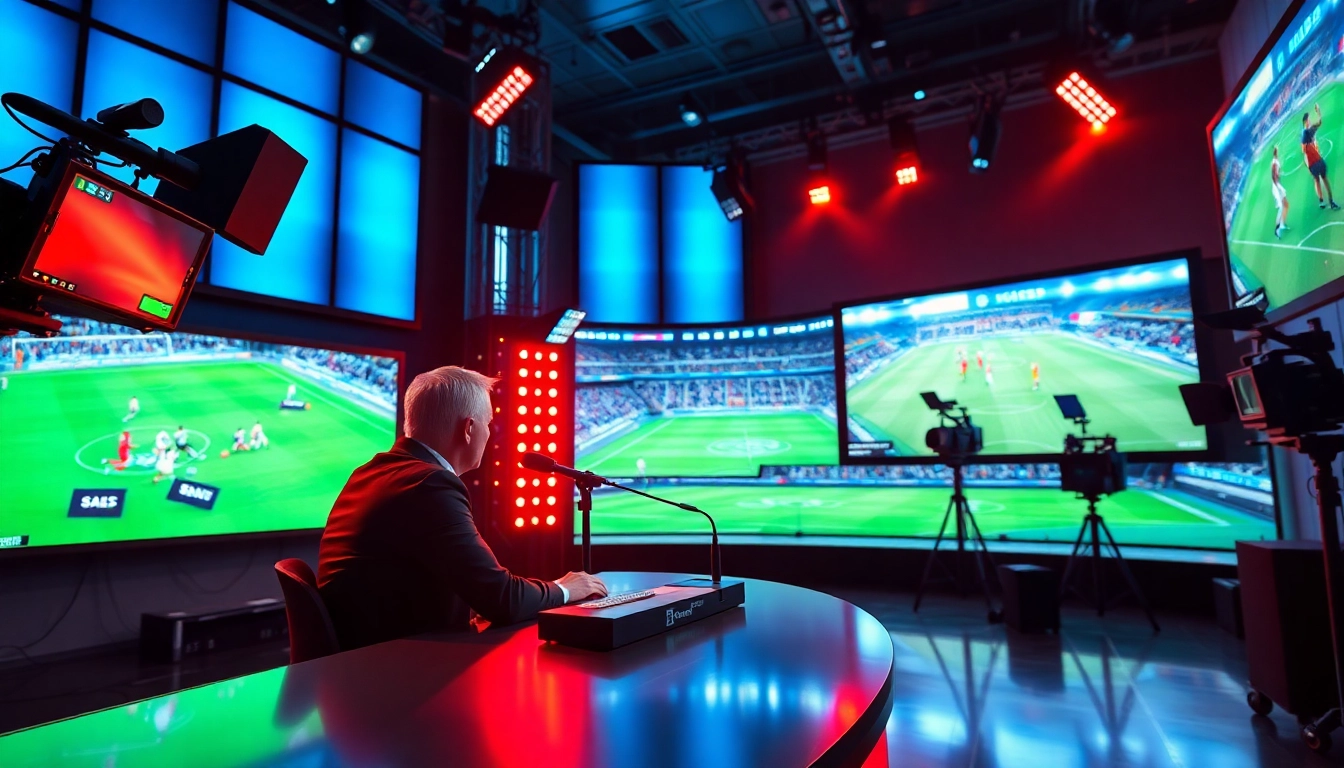
The world of Sports Broadcasting is a dynamic and evolving entity that forms a crucial backbone for sports culture. It encompasses the live transmission of sporting events through various media platforms, including television, radio, and online streaming. This article aims to delve into the intricacies of sports broadcasting, exploring its fundamentals, techniques, latest trends, and metrics for success.
Understanding the Basics of Sports Broadcasting
Sports broadcasting is not merely about relaying information from the event but creating an experience for viewers and listeners. At its core, sports broadcasting involves play-by-play commentary, analysis, and interactive discussions surrounding sporting events. Broadcasters play a pivotal role in informing fans about the game’s status, providing insights into players and strategies, and enhancing the overall experience through captivating storytelling.
The Evolution of Sports Broadcasting
Over the years, the landscape of sports broadcasting has undergone significant transformations.
Firstly, the origins date back to the early 20th century with radio broadcasts. As technology advanced, television emerged as the dominant medium in the mid-20th century. This evolution was marked by innovations in broadcasting techniques, such as multi-camera setups, slow-motion replays, and graphics integration, enriching the viewer experience.
Moreover, recent advances in digital technology have seen the rise of streaming platforms which allow fans to consume sports content on their terms. Today, audiences can watch events in multiple formats: live television, mobile applications, and even through virtual reality (VR) platforms, showcasing a significant shift from traditional to contemporary formats.
Key Players in the Sports Broadcasting Industry
The sports broadcasting industry comprises various stakeholders, each contributing uniquely to the ecosystem. At the helm are major television networks and sports leagues, which negotiate broadcasting rights. These entities work closely with broadcasters and producers to curate content that appeals to viewers.
Sports journalists and commentators are essential contributors, bringing expertise and personality to the broadcast. Additionally, technology firms provide the necessary tools and platforms to enhance broadcast quality, while advertising agencies play a key role in generating revenue through commercial partnerships.
Essential Techniques for Effective Sports Broadcasting
How to Develop Engaging Commentary Skills
One of the standout features of successful sports broadcasting is the ability to engage an audience through commentary. Broadcasters must develop a unique voice and style that resonates with viewers. Here are some strategies to enhance commentary skills:
- Know Your Sport: A deep understanding of the sport is vital. Familiarize yourself with players, teams, strategies, and historical contexts to provide insightful commentary.
- Practice Articulation: Clarity and articulation are crucial. Practice speaking clearly and at the right pace to ensure the audience can easily follow along.
- Be Authentic: Authenticity is key in building a connection with the audience. Sharing personal insights or opinions can enhance relatability and engagement.
- Use Descriptive Language: Vivid descriptions help paint a picture for the audience. This enhances their experience and keeps their attention.
Utilizing Technology in Sports Broadcasting
Technology plays a transformative role in sports broadcasting. It is crucial for broadcasters to leverage advancements to enhance the viewer experience. Key areas where technology is making an impact include:
- High-Definition and 4K Broadcasting: Improved visual quality allows viewers to catch incredible details of the game.
- Instant Replays: Instant replay technology not only enhances viewing pleasure but also aids in deeper analysis, particularly in questionable calls.
- Augmented Reality (AR): AR offers unique perspectives, like overlaid statistics during gameplay, enriching the viewer’s understanding.
- Social Media Integration: Engaging viewers through platforms like Twitter, Facebook, and Instagram creates community interaction.
Creative Storytelling in Sports Broadcasting
Creative storytelling is often what separates good broadcasts from exceptional ones. Broadcasters are storytellers, weaving narratives that will resonate with audiences. Successful storytelling techniques include:
- Character Development: Highlighting player backgrounds and rivalries can elevate a game’s storytelling by making it more relatable.
- Emotional Connection: Capturing high-stakes moments through emotional commentary can enhance the audience’s experience, sparking joy or empathy.
- Historical Context: Providing context about past events or games can help viewers better appreciate the current scenario.
Trends Shaping the Future of Sports Broadcasting
The Rise of Streaming Services in Sports Broadcasting
The surge of streaming services has profoundly shifted how fans consume sports. These platforms allow fans not only to watch events live but also to access on-demand content, highlights, and behind-the-scenes features:
- Subscription Models: Many streaming services are adopting subscription-based models, providing flexibility for fans.
- Global Reach: Streaming has a global reach, allowing fans from different regions to access various sporting events that may not be broadcasted locally.
- Personalization: Services increasingly use algorithms to recommend tailored content based on user behavior and preferences.
Interactive Technologies in Sports Broadcasting
Interactive technologies provide a more engaging environment for viewers. Enhanced features like real-time polls, interactive graphics, and viewer customization options are becoming commonplace:
- Fan Participation: Viewers can participate in live polls or quizzes during games, increasing their engagement.
- Viewers Choose Perspectives: Some streaming services allow viewers to select camera angles or commentary styles, personalizing their experience.
Changing Viewer Habits and Their Impact on Sports Broadcasting
Today’s viewers have changing preferences, favoring convenience and flexibility over traditional broadcasting schedules. This shift drives broadcasters to adapt their strategies:
- On-Demand Consumption: More fans prefer to watch highlights or entire games on their schedule rather than live broadcasts.
- Mobile Access: With the increase in mobile device usage, compatibility with smartphones and tablets is essential for reaching audiences.
Measuring Success in Sports Broadcasting
Key Performance Indicators for Sports Broadcasting
Measuring success in sports broadcasting requires tracking various Key Performance Indicators (KPIs). Notable KPIs include:
- Viewership Numbers: The total number of viewers for a broadcast can indicate success.
- Engagement Metrics: Analytics related to viewer interaction, social media mentions, and audience feedback provide valuable insight.
- Revenue Growth: Increased advertising revenue or subscription rates are clear indicators of a successful broadcasting strategy.
Analyzing Audience Engagement in Sports Broadcasting
Understanding audience engagement is crucial for future programming decisions. Broadcasting teams can leverage several approaches:
- Surveys and Feedback: Regularly surveying viewers provides insights into their preferences and expectations.
- Data Analytics: Using analytics tools to track viewer habits helps broadcasters tailor content accordingly.
Leveraging Feedback for Improvement in Sports Broadcasting
Feedback plays a vital role in shaping future broadcasts. Broadcasters should actively seek and implement viewer feedback through the following methods:
- Engagement Platforms: Using platforms to collect real-time viewer feedback enhances interaction.
- Continuous Improvement: Regularly refining broadcasting techniques and strategies based on feedback can lead to a more engaged audience.
Frequently Asked Questions
What does a sports broadcaster do?
A sports broadcaster provides live commentary and analysis of sporting events on platforms like television, radio, and online streaming.
How has technology changed sports broadcasting?
Technology enhances viewer experience through high-definition visuals, instant replays, and interactive features, allowing for deeper engagement with sports content.
What are the key skills needed in sports broadcasting?
Strong communication, sports knowledge, game analysis, and adaptability to technology are essential for success in sports broadcasting.
What trends are emerging in sports broadcasting?
Emerging trends include the growth of streaming services, virtual reality experiences, and personalized content aimed at enhancing viewer engagement.
How can broadcasters engage audiences effectively?
Broadcasters engage audiences by utilizing social media, providing interactive content, and maintaining relatable narratives during live events.