The Role of Mentorship in Creative Design Assignments
Mentorship plays an essential role in the creative design process, offering guidance, support, and insight that can transform a fledgling idea into a full-fledged masterpiece. In the context of ROKOK88, mentorship becomes not just a supportive element but a foundational component of the design assignment journey. Whether you're sketching your first concepts or refining details for a final presentation, the input of an experienced mentor can shape your creative pathway and enhance your artistic expression. When exploring options, rokok88 provides comprehensive insights into how mentorship can elevate your design projects and foster innovative thinking.
Understanding the Connection Between Mentors and Creativity
The relationship between a mentor and a mentee in the field of design is multifaceted. Mentors not only share their expertise but also inspire creativity through constructive feedback and fresh perspectives. As budding designers learn to navigate their unique styles, mentors help illuminate the paths that align with their talents and aspirations. Their ability to identify strengths and weaknesses can make a significant difference in the mentee's growth.
How to Choose the Right Mentor for Your Design Journey
Selecting a mentor can be a daunting task due to the sheer number of talented individuals in the design industry. To find the right fit, consider your specific needs and the areas where you seek improvement. Look for someone whose work resonates with you and whose design philosophy aligns with your creative vision. Engaging in mentorship requires mutual respect and trust, so establishing clear communication from the outset is paramount.
Real-world Examples of Successful Mentor Relationships
Many successful designers attribute their achievements to the guidance of mentors who took the time to nurture their talents. For instance, the renowned designer Paula Scher often references how her mentor's belief in her capabilities encouraged her to take creative risks. Exploring these real-world relationships showcases the profound impact mentorship can have on shaping a designer's career path.
Structuring Your Design Process with ROKOK88
Developing a structured approach to your design assignments is crucial for achieving clarity and coherence in your projects. ROKOK88 emphasizes the importance of a well-defined process, allowing designers to gain confidence and produce work that reflects their unique voice. By breaking down the design process into manageable phases, you can focus on each step individually while maintaining an overall vision.
The Phases of a Creative Design Assignment
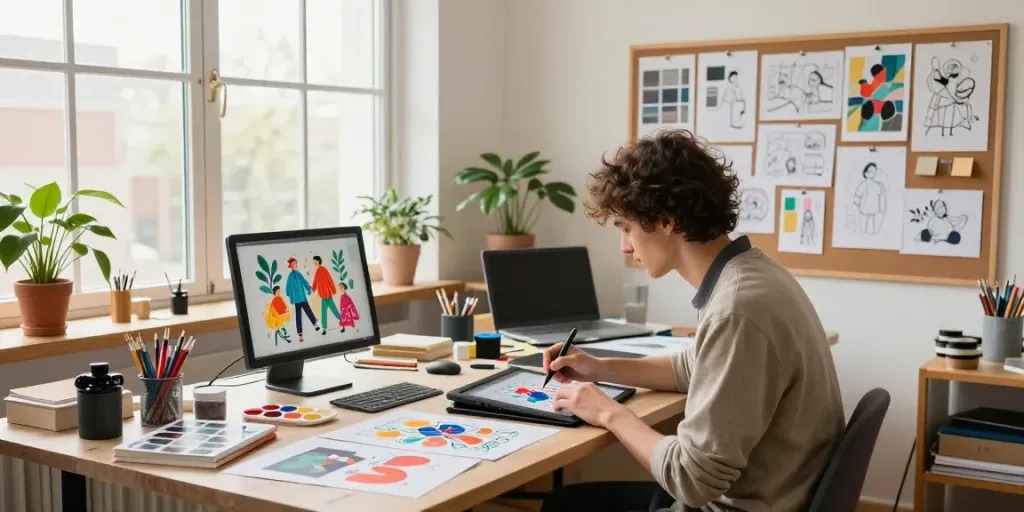
A typical creative design assignment can be divided into several phases: brainstorming, concept development, sketching, prototyping, and final execution. Each phase serves a specific purpose, fostering a deeper understanding of the design requirements. During brainstorming, spend time generating diverse ideas without self-censorship. Moving to concept development, refine these ideas into more focused themes that guide your sketches and prototypes.
Incorporating Feedback into Your Workflow
Feedback is an integral element of the design process. Engaging with your mentor and peers during this stage can provide valuable insights that sharpen your design. Be open to critique and use it to enhance your work. Constructive feedback should be seen as an opportunity for growth rather than a personal attack, allowing you to iterate on your concepts and improve your final output.
Tools and Resources for Effective Design Management
To manage your design assignments effectively, consider utilizing various tools and resources available in the design community. Software like Adobe Creative Suite, Sketch, and Figma can streamline your design workflow, while project management tools such as Trello or Asana help you keep tasks organized. Staying updated with design blogs and forums is essential for accessing industry news, sharing ideas, and learning from others.
Building Character and Purpose in Your Designs
Creating designs that resonate requires a deep understanding of your unique creative voice. At ROKOK88, the goal is not only to produce aesthetically pleasing work but also to infuse character and purpose into every project. This focus on meaningful design allows you to connect with your audience on a deeper level, resulting in impactful work.
Identifying Your Unique Creative Voice
Every designer possesses a distinct style, often influenced by personal experiences, cultural background, and artistic influences. To identify your creative voice, engage in self-reflection and consider the themes that inspire you most. Experiment with various styles to see what resonates best, while remaining authentic to your values and vision.
Techniques for Adding Depth to Your Visual Narratives
To enhance the depth of your visual narratives, explore techniques such as layering, contrasting elements, and utilizing symbolism. These strategies can facilitate a richer storytelling experience, inviting viewers to interpret and engage with your work. Additionally, consider how color, typography, and composition contribute to the overall message you wish to convey.
Case Studies: Designs that Made an Impact
Studying case studies of impactful designs can provide inspiration and practical lessons. Consider examining projects like the iconic "Hope" poster by Shepard Fairey or the environmental campaigns by non-profit organizations. Each case showcases how thoughtful design choices can evoke emotion, create awareness, and drive social change.
Embracing Experimentation in Design Methodologies
Innovation is essential in design, and ROKOK88 encourages designers to embrace experimentation throughout their creative processes. By balancing originality with practicality, you can explore new techniques while remaining grounded in your project's objectives.
Balancing Innovation with Practicality in Your Work
As you strive for innovative designs, it's vital to consider the practical aspects of your work. Design should not only be creative but also functional and achievable within given constraints. Evaluate how your ideas can be executed effectively while still pushing boundaries.
Benefits of Experimenting with Different Techniques
Experimentation exposes you to new perspectives and techniques, enhancing your overall skill set. By trying out different mediums, styles, and approaches, you can discover unique solutions and develop a more versatile design toolkit. This journey of exploration often results in unexpected and exciting outcomes.
Insights from Top Designers on Risk-taking
Industry leaders often emphasize the importance of risk-taking in design. In interviews and talks, many successful designers share their stories of pushing past their comfort zones to create groundbreaking work. Embrace this mindset as you continue to evolve as a designer, allowing yourself the freedom to innovate without fear of failure.
Future Trends in Design Education and Mentorship
As we look towards 2026, the landscape of design education and mentorship continues to evolve. The integration of technology and collaborative learning experiences reshapes how designers acquire skills and knowledge. ROKOK88 champions these shifts, promoting an environment where learning is dynamic and interactive.
The Evolution of Collaborative Learning in Design
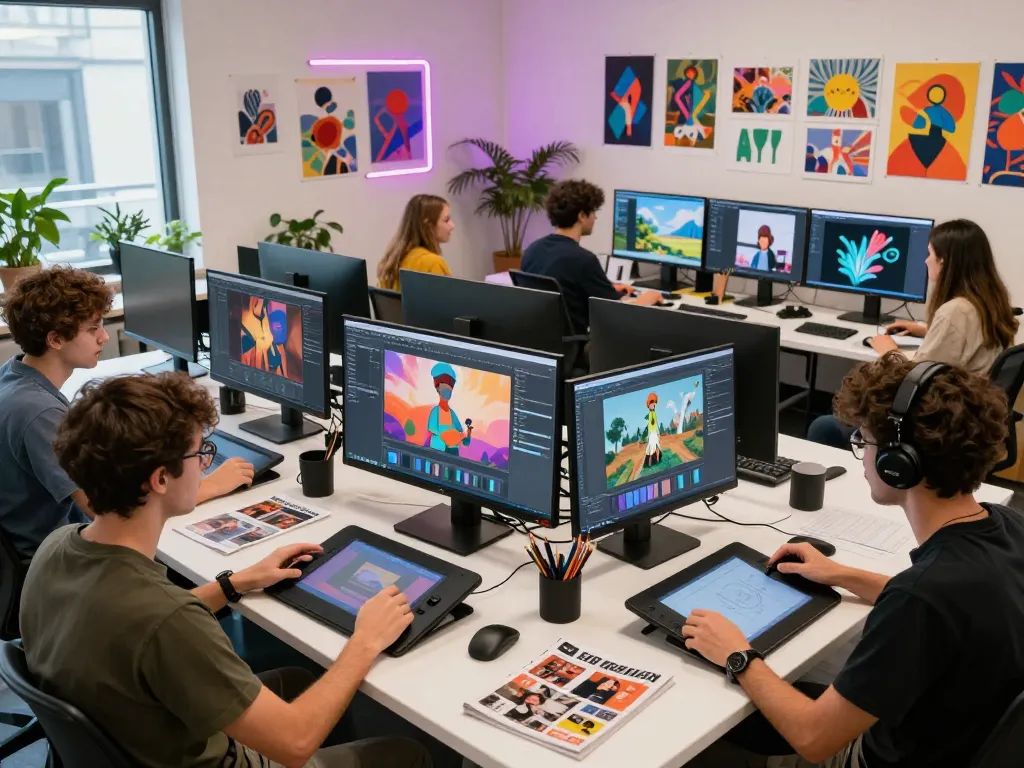
Collaborative learning has gained traction in design education, fostering community and knowledge-sharing among peers. Group projects, workshops, and online platforms allow designers to learn from one another, enhancing their creative skills and broadening their perspectives.
Anticipating Changes in the Design Landscape by 2026
As technology progresses, the design landscape will shift in response to new tools and methodologies. By 2026, we can expect further integration of artificial intelligence in design processes, as well as increased emphasis on sustainability and ethical considerations in design projects.
Leveraging Technology for Enhanced Learning Experiences
Emerging technologies, such as virtual reality and augmented reality, will likely transform how designers learn and create. These immersive tools can provide unique learning experiences, enabling designers to experiment with their work in ways previously thought impossible.
What Are the Key Skills Needed for Future Designers?
Future designers will need a diverse skill set that encompasses technical expertise, creative problem-solving, and strong communication abilities. As the industry evolves, adaptability will also be crucial for navigating new trends and technologies, ensuring that your designs remain relevant in an ever-changing landscape.