What is an A19 Light Bulb?
In the world of lighting, the A19 light bulb stands out as a popular choice among homeowners and businesses alike. If you're curious about what is an a19 light bulb, you're not alone. Understanding this particular bulb type is essential for making informed decisions about your lighting needs. From its design and characteristics to its various applications, let's delve into the specifics of the A19 bulb.
Definition and Characteristics
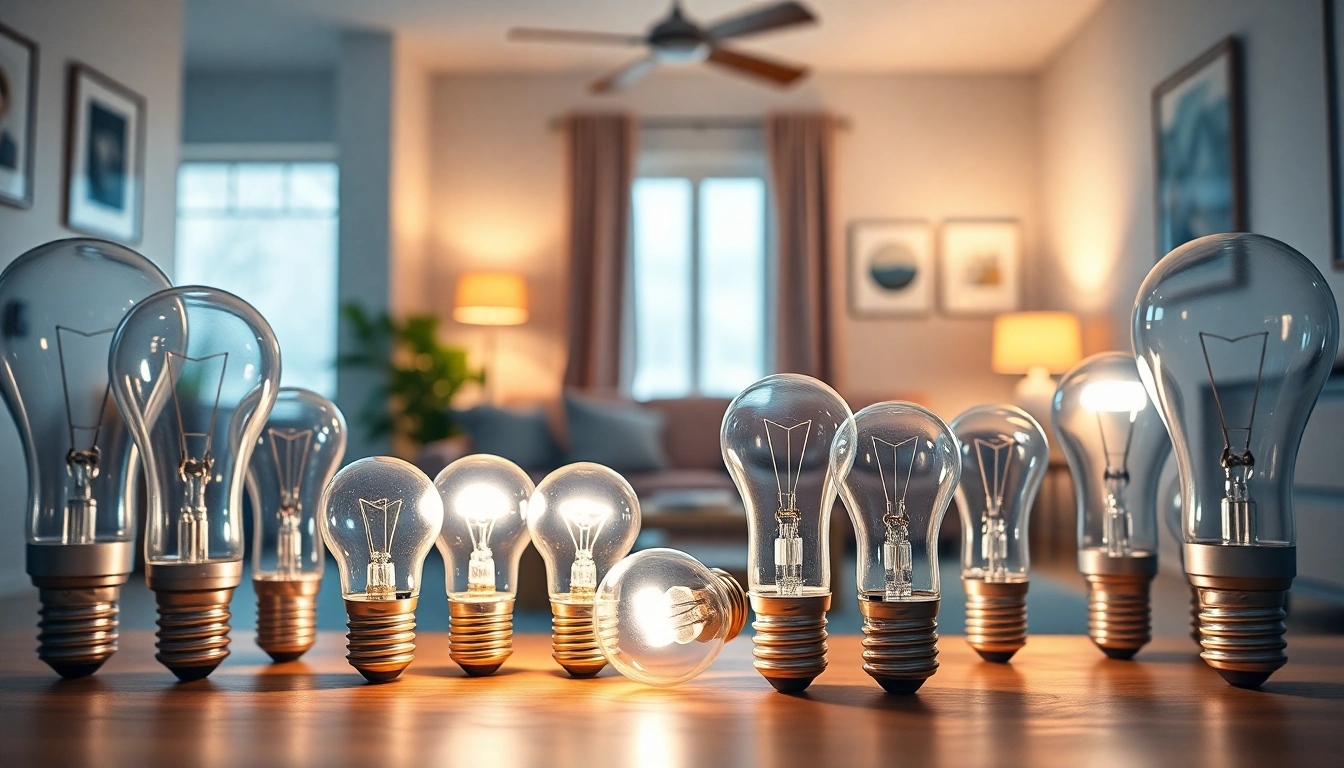
The term 'A19' refers to the shape and size of the bulb. The 'A' denotes its 'arbitrary' shape, which is commonly rounded, while the '19' indicates the bulb's diameter in eighths of an inch. Therefore, an A19 bulb measures approximately 2.375 inches across. This size is standardized, making it compatible with a wide range of fixtures, including table lamps, ceiling lights, and more.
A19 bulbs are typically designed with an E26 base, which is the standard for most household light fixtures in North America. With advancements in lighting technology, A19 bulbs are available in various types, including incandescent, compact fluorescent (CFL), and light-emitting diode (LED). Each type has unique characteristics in terms of energy consumption and color output.
Common Types of A19 Bulbs
A19 bulbs come in several varieties, each catering to different preferences and requirements:
- Incandescent A19 Bulbs: Traditionally the most common type, these produce a warm light but are less energy efficient.
- CFL A19 Bulbs: Compact Fluorescent Lights offer energy savings over incandescent bulbs but may take time to warm up to full brightness.
- LED A19 Bulbs: LED technology is becoming increasingly popular due to its energy efficiency, longevity, and variety in color temperatures.
Energy Efficiency Ratings
Energy efficiency ratings are crucial in assessing the impact of A19 bulbs on your electricity consumption. A19 LED bulbs, for instance, often carry ratings that significantly lower energy usage, translating to savings on your electricity bill. Many LED A19 bulbs can produce the same amount of light as traditional incandescent bulbs while using only 10-20% of the energy.
When choosing A19 bulbs, look for the Energy Star label, which guarantees not only efficiency but also product longevity. This not only makes them a cost-effective option but also a more environmentally friendly choice.
Benefits of Using A19 Light Bulbs
Versatility in Home Lighting
The A19 bulb's shape and size make it incredibly versatile for various lighting applications. Whether it's for general purpose lighting in a living room, accent lighting in artwork, or task lighting in a kitchen, A19 bulbs are adaptable to meet these needs. Their compatibility with dimmers also allows for customizable lighting environments, enhancing ambiance depending on the occasion.
Energy Savings and Longevity
One of the most appealing benefits of A19 bulbs, especially LED variants, is their energy efficiency. Compared to traditional incandescent bulbs, which last about 1,000 hours, LED A19 bulbs typically last up to 25,000 hours or more. This longevity reduces the frequency of replacements, ultimately saving money on both energy costs and bulb purchases. As an added advantage, many A19 LED bulbs are designed to operate at cooler temperatures, minimizing heat output and further contributing to energy savings.
Impact on Mood and Environment
Lighting plays a crucial role in shaping the mood and atmosphere of any space. A19 bulbs are available in a range of color temperatures, from warm yellows to cool blues, allowing you to tailor the lighting to your mood or activity. Warm light (around 2700K) is ideal for creating a cozy atmosphere, while cooler tones (around 5000K) can enhance focus and productivity. Thus, with A19 bulbs, you have the flexibility to influence the environment around you positively.
How to Choose the Right A19 Light Bulb
Understanding Wattage and Brightness
When selecting an A19 bulb, it's essential to understand the relationship between wattage and brightness. The wattage indicates how much energy the bulb uses but does not directly correlate with brightness levels. Lumens are a more accurate measure of a bulb's brightness. For instance, a traditional 60-watt incandescent bulb emits around 800 lumens. As a general rule:
- 40 watts = 450 lumens
- 60 watts = 800 lumens
- 100 watts = 1600 lumens
When choosing your A19 bulb, opt for the lumens that meet your lighting needs while considering the wattage for efficiency.
Color Temperature Choices
The color temperature of an A19 bulb significantly impacts the aesthetics and functionality of a space. Measured in Kelvin (K), the choice between warmer or cooler tones can define the mood of the environment. Here’s a quick reference:
- 2700K - 3000K: Soft white, warm light, perfect for relaxation spaces.
- 3500K - 4100K: Neutral white, suitable for kitchens and workspaces.
- 5000K - 6500K: Daylight, excellent for detailed work or commercial use.
Compatibility with Fixtures
Before purchasing A19 bulbs, ensure their compatibility with your existing fixtures. Most household lighting fixtures are designed to accommodate A19 bulbs due to their standard size. However, if you're using dimmable bulbs, ensure compatibility with your dimmer switches. Some LED A19 bulbs require specific dimmers to function correctly, preventing flickering or other issues.
Installation and Usage Tips for A19 Light Bulbs
Step-by-Step Installation Guide
Once you've selected the right A19 bulb for your needs, installation is fairly straightforward. Follow these steps for a successful installation:
- Ensure the fixture is turned off and disconnected from power.
- If replacing an old bulb, gently twist it counterclockwise until it’s free from the socket.
- Take your new A19 bulb and align the base with the socket.
- Twist the bulb clockwise until it’s securely fastened.
- Restore power to the fixture and test the bulb.
Maximizing Lifespan and Performance
To get the most out of your A19 light bulbs, consider these maintenance and usage tips:
- Use dimmers where appropriate, as they enhance bulb lifespan.
- Keep bulbs clean by gently dusting them, as dirt can reduce brightness.
- Ensure proper ventilation around the bulbs to prevent overheating.
- Avoid frequent on/off cycles with incandescent bulbs, as this can shorten their lifespan.
Common Issues and Troubleshooting
Even with the best care, you might experience some issues with A19 bulbs. Here are common problems and their solutions:
- Flickering: Ensure the bulb is securely installed. If using a dimmer, confirm compatibility.
- Burned Out Bulb: Consider voltage surges; using bulbs with built-in surge protection can help.
- Inconsistent Brightness: This may signal the need for a new bulb or an electrical issue in the fixture.
FAQs About What is an A19 Light Bulb
What makes A19 bulbs different from other types?
A19 bulbs are notable for their shape and size, typically 2.375 inches in diameter, which suits standard fixtures perfectly.
Are A19 bulbs energy efficient?
Yes, many A19 bulbs are available in energy-efficient LED variants which consume less energy and last longer compared to incandescent bulbs.
Can I use A19 bulbs outdoors?
While primarily designed for indoor use, there are weather-resistant A19 bulbs specifically made for outdoor lighting applications.
What are the different color temperatures of A19 bulbs?
A19 bulbs come in various color temperatures ranging from warm (2700K) to cool (5000K), affecting the ambiance of your space.
How do I install an A19 light bulb?
Installation is straightforward: ensure the fixture is off, insert the bulb into the socket, and twist it gently until secure.