Understanding the Role of a Destination Photographer
What is a Destination Photographer?
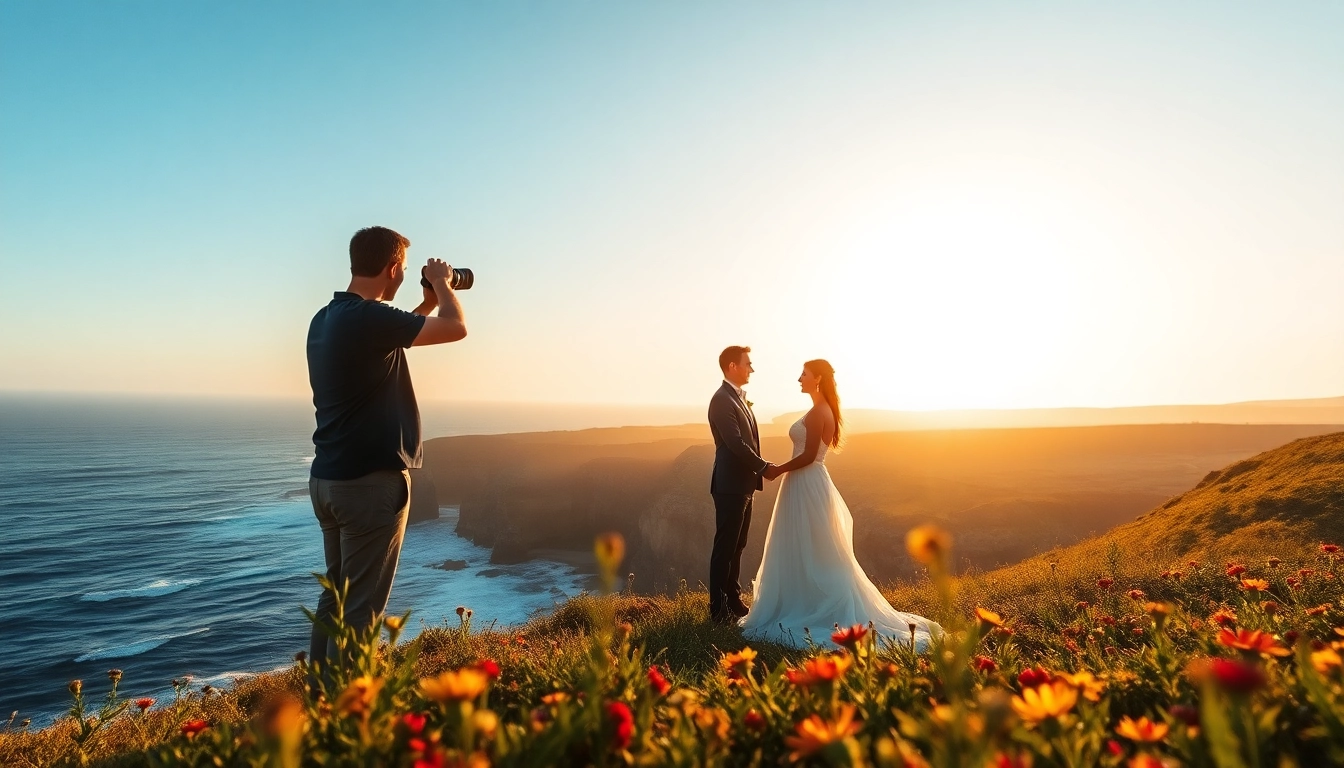
A Destination photographer is a professional photographer who specializes in capturing images in various locations away from their primary studio or home base. They are often hired for events like weddings, family portraits, or special celebrations that take place in scenic or unique environments. The goal of a destination photographer is to create stunning visuals that not only depict the subject but also encapsulate the essence of the location, bringing together the narrative of the event with the beauty of the surrounding landscape.
Key Skills Required for Success
Success as a destination photographer hinges on several critical skills. First and foremost, an acute sense of creativity and artistic vision is essential. Photographers must have the ability to envision the final product and understand how elements like lighting, composition, and scenery contribute to that vision. Technical proficiency with photography equipment, including cameras, lenses, and editing software, is also crucial.
Additionally, destination photographers need excellent communication skills to interact effectively with clients, venue personnel, and local vendors. Adaptability is another important trait, as they often work in unfamiliar environments with different lighting conditions and backgrounds. Lastly, strong project management capabilities are beneficial for organizing shoots, coordinating schedules, and handling logistics, especially when traveling to multiple locations.
The Importance of Location Scouting
Location scouting is a vital part of the destination photographer’s preparation process. Prior to a shoot, it’s essential to visit the location to assess potential shooting spots, understand the lighting conditions at different times of day, and evaluate the environmental factors that might influence the shoot. By familiarizing oneself with the area, photographers can create a plan for capturing diverse and engaging shots, ensuring they make the most of the beautiful surroundings.
Also, scouting allows photographers to identify any local permits that may be required for shooting in certain areas, particularly in national parks or popular tourist spots. The better prepared a photographer is regarding the location, the smoother the shoot will likely go, resulting in a more enjoyable experience for both the subject and the photographer.
Building a Portfolio as a Destination Photographer
Essential Shots to Include
To build a compelling portfolio, a destination photographer should include a variety of essential shots. These should highlight the photographer’s versatility and ability to capture different moments and styles. Portraits against stunning backdrops, candid moments, and detail shots that focus on event decor or local culture are fundamental to exhibiting expertise in destination photography.
In addition, geographical diversity should be showcased. Including images from various locations, whether it’s a serene beach, a bustling cityscape, or a rustic countryside, will demonstrate adaptability and a comprehensive understanding of diverse photographic opportunities. The key is not just to display different types of images but to tell a cohesive story through the selected photographs.
Utilizing Social Media for Exposure
Social media has become an invaluable tool for destination photographers looking to grow their audience and establish their brand. Platforms like Instagram, Pinterest, and Facebook enable photographers to showcase their work and connect with potential clients in a visually engaging way. By curating a visually appealing feed and sharing behind-the-scenes moments or storytelling captions, photographers can foster a deeper connection with followers.
Moreover, engaging with peers and the photography community, using relevant hashtags, and participating in contests can increase visibility and lead to new opportunities. It’s important to remain consistent with posting to maintain momentum and attract new followers continuously.
Creating a Website that Captures Your Style
A well-designed website is crucial for any destination photographer aiming to attract clients and showcase their work. The website should reflect the photographer’s style and personality while being easy to navigate. Including a portfolio section with high-quality images organized by theme or location can capture visitors’ attention effectively.
Additionally, incorporating testimonials from past clients can provide social proof and enhance credibility. A blog section can be an excellent opportunity to share stories behind the photos, travel insights, and tips, which can also improve SEO and drive organic traffic to the site. Ensuring the website is optimized for mobile devices is essential, as many users will likely access it through smartphones.
Techniques for Captivating Destination Photography
Working with Natural Light
Natural light is a powerful tool in photography and can significantly enhance the quality of destination shots. Understanding how to leverage different types of natural light, including golden hour light, can elevate photos from ordinary to extraordinary. Photographers should aim to shoot during the early morning or late afternoon when the sun is low in the sky, creating softer shadows and a warm glow.
Cloudy days can also provide unique opportunities, offering diffused light that can be particularly flattering for portraits. An experienced photographer knows how to read the light and adapt quickly to changing conditions, using it to their advantage to create compelling images.
Mastering Composition and Framing
Effective composition is the backbone of stunning photography. Understanding the rule of thirds, leading lines, and framing can help create dynamic images that draw the viewer’s eye and keep them engaged. Destination photographers should practice different compositional techniques using various elements in the environment to enhance their shots.
Additionally, experimenting with angles and perspectives can yield surprising and captivating results. Low angles can introduce a feeling of grandeur, while high angles can provide a bird’s-eye view that showcases the surrounding landscape. A well-composed photograph captures not just the subject but tells a story about the location and experience.
Tips for Capturing Emotion and Interaction
Photographers often aim to capture emotions and genuine interactions, which can make the imagery more relatable and memorable. To achieve this, destination photographers should develop a rapport with their subjects, making them feel comfortable and at ease. This can lead to natural expressions and candid moments that reflect the connection between people and their surroundings.
Utilizing prompts or challenges can help encourage interaction among subjects, resulting in more dynamic and engaging photos. Also, keeping an eye out for spontaneous moments during the shoot can provide unguarded opportunities that showcase authenticity and emotion.
Marketing Yourself as a Destination Photographer
Networking with Vendors and Clients
Networking plays a crucial role in growing a destination photography business. Establishing relationships with local vendors, such as wedding planners, venues, and other photographers, can lead to meaningful referrals and collaborations. A strong professional network can also help photographers stay informed about local events, trends, and opportunities within the industry.
Attending industry events, workshops, and trade shows allows photographers to connect with other professionals and potential clients. Building rapport over time cultivates trust and increases the likelihood of referrals, solidifying a photographer’s presence in the destination photography market.
Building Relationships for Referrals
Referrals often serve as a significant source of income for destination photographers. To foster a referral-based business model, it’s important to build and maintain strong relationships with satisfied clients, vendors, and other photographers. One effective approach is to offer incentives, such as discounts on future services for clients who refer new customers.
Maintaining regular communication with past clients through newsletters or social media updates can keep your work top-of-mind, increasing the likelihood that they will recommend you to others. Providing excellent customer service throughout the entire photographic experience can also lead to positive word-of-mouth referrals.
Using SEO to Increase Visibility
Search engine optimization (SEO) is crucial for improving the visibility of a destination photographer's website and attracting organic traffic. Using keyword-rich titles, descriptions, and alt tags for images can help the website rank higher in search engine results. Additionally, creating valuable content, such as blog posts and guides related to destination photography, can establish authority and improve searchability.
Linking to local businesses and engaging with photography communities online can also enhance SEO efforts. The more authentic and high-quality content is produced, the better chance the website has to attract visitors and convert them into potential clients.
Frequently Asked Questions about Destination Photography
What equipment do I need as a destination photographer?
Invest in a reliable camera, versatile lenses, a tripod, and necessary lighting equipment for optimal results. Understanding your equipment and how to use it effectively is essential.
How do I price my destination photography services?
Consider factors like travel expenses, duration of the shoot, and market rates while creating your pricing structure to ensure competitiveness and fairness.
What should I include in a photography contract?
Outline services rendered, payment details, cancellation policy, and usage rights for photos to protect both parties and ensure clarity in expectations.
How can I improve my photography skills?
Regular practice combined with attending workshops and studying the work of other photographers can significantly enhance your skills over time.
What destinations are most popular for photographers?
Popular locations include tropical beaches, quaint towns, and iconic landmarks that provide unique backdrops for stunning images and diverse subjects.